
What Is Snagging?
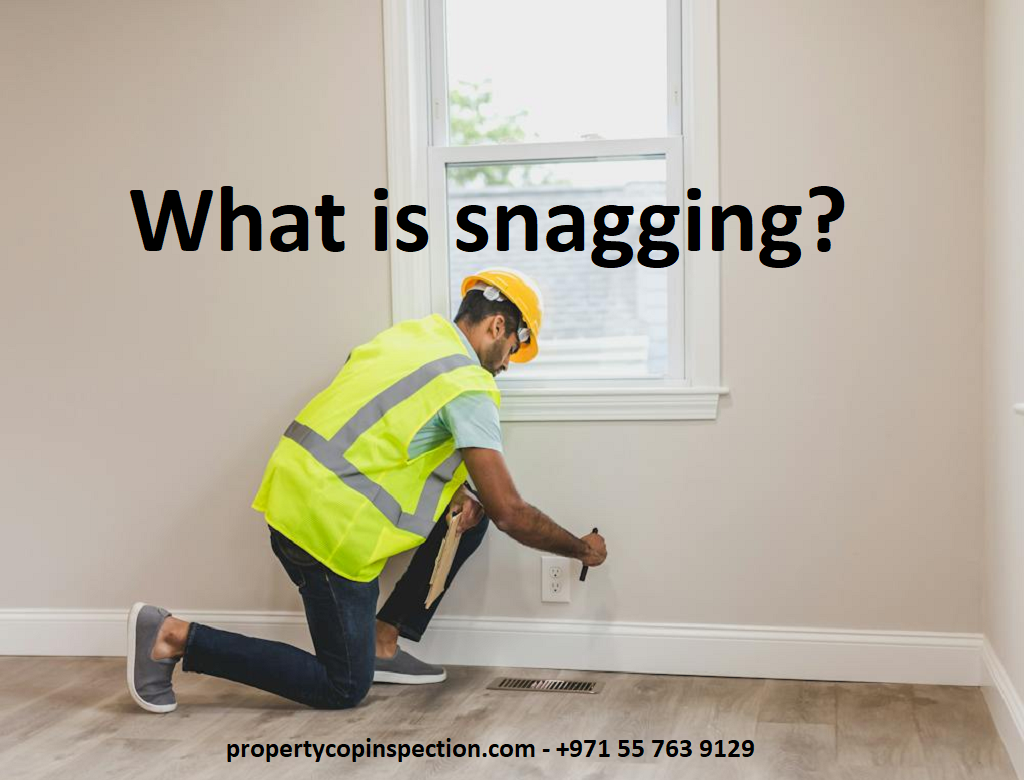
Snagging is the process of identifying defects, unfinished work, poor workmanship, or quality issues in a newly built property before the buyer fully accepts the home from the builder or developer.
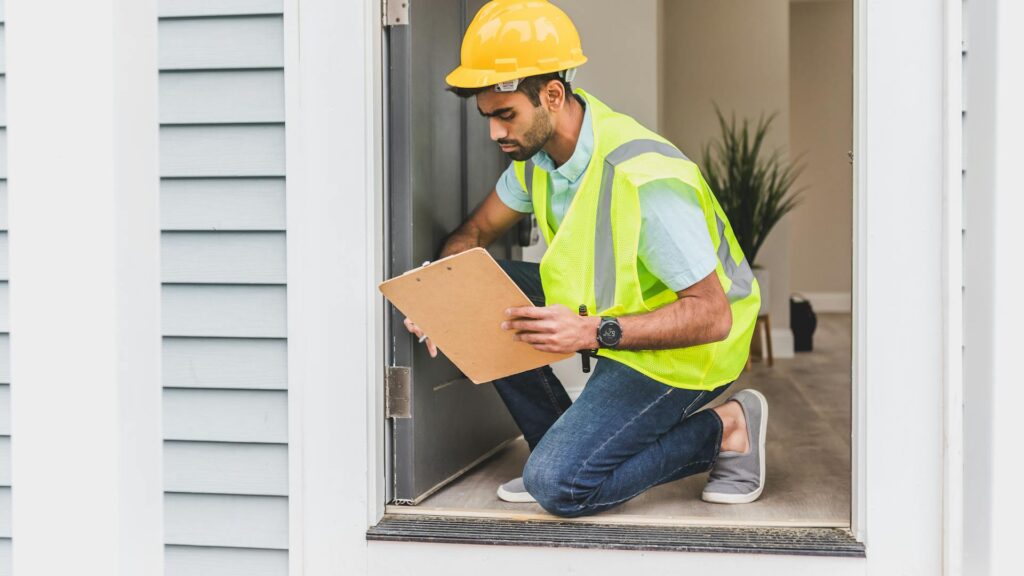
The term “snagging” is widely used in the real estate and construction industries, especially in countries like the UAE, UK, Ireland, Australia, and India.
A snag can be anything from:
- Cracked walls
- Uneven flooring
- Plumbing leaks
- Electrical faults
- Poor paint finishes
- Misaligned doors and windows
- Structural defects
- Incomplete fittings
- Water seepage
- HVAC problems
A snagging inspection ensures that all problems are documented and corrected before the homeowner moves in.
Why Is Snagging Important?
Buying a property is one of the biggest financial investments a person makes. Even newly built homes can contain dozens or even hundreds of defects.
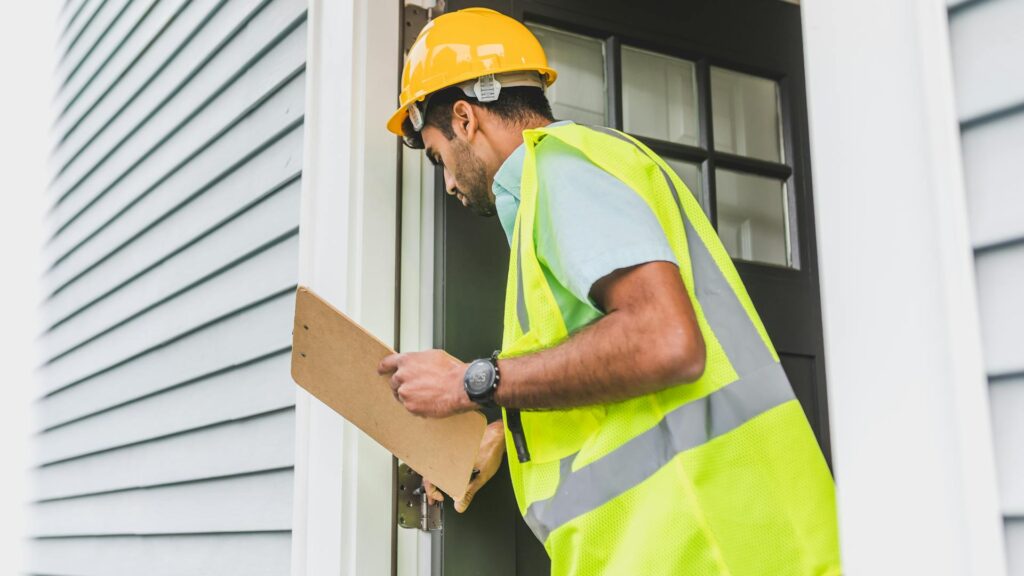
Without proper snagging:
- Buyers may spend large amounts on repairs later
- Hidden defects can reduce property value
- Safety risks may go unnoticed
- Warranty claims can become difficult
- Builders may refuse responsibility after handover
Snagging protects homeowners by ensuring the property meets expected construction and quality standards.
Types of Snagging in Construction and Real Estate
1. Cosmetic Snagging
These are visible aesthetic defects that affect the appearance of the property.
Examples include:
- Paint marks
- Scratches on tiles
- Uneven plastering
- Chipped countertops
- Gaps in woodwork
- Poor silicone finishing
Although cosmetic defects may appear minor, they indicate poor workmanship.
2. Functional Snagging
Functional defects affect how systems or fixtures work.
Examples include:
- Non-working electrical sockets
- Leaking taps
- Faulty air conditioning
- Doors not closing properly
- Low water pressure
- Faulty appliances
These issues directly impact day-to-day living.
3. Structural Snagging
Structural snags are the most serious because they affect the building’s integrity.
Examples include:
- Foundation cracks
- Roof defects
- Structural movement
- Water ingress
- Load-bearing wall issues
- Major ceiling cracks
Structural issues may require immediate professional attention.
What Is a Snagging Inspection?
A snagging inspection is a professional property assessment carried out before final handover or shortly after moving into a property.
The purpose is to identify:
- Defects
- Incomplete work
- Construction mistakes
- Safety issues
- Non-compliance with standards
The inspector creates a detailed snagging report listing all issues that the developer must rectify.
What Does a Snagging Inspector Check?
Professional snagging inspectors examine every part of the property.
Interior Inspection
Walls and Ceilings
Inspectors look for:
- Cracks
- Uneven paint
- Damp patches
- Hollow plaster
- Poor finishing
- Nail pops
Flooring
Checks include:
- Loose tiles
- Uneven flooring
- Scratches
- Incorrect alignment
- Hollow sounds
- Poor grouting
Doors and Windows
Inspectors verify:
- Smooth opening and closing
- Proper locking systems
- Alignment issues
- Air gaps
- Seal quality
- Glass scratches
Kitchen Inspection
The kitchen is thoroughly checked for:
- Cabinet alignment
- Countertop damage
- Plumbing leaks
- Appliance installation
- Electrical points
- Ventilation systems
Bathroom Inspection
Common bathroom snagging checks include:
- Drainage efficiency
- Waterproofing
- Leakage
- Silicone sealing
- Water pressure
- Tile installation
Electrical Systems
Inspectors test:
- Light switches
- Socket functionality
- Distribution boards
- Circuit breakers
- Earthing
- Safety compliance
Plumbing Systems
Checks include:
- Pipe leaks
- Water pressure
- Drainage flow
- Water heater operation
- Tap fittings
- Sewage connections
HVAC and Air Conditioning
Inspectors ensure:
- Proper cooling
- Vent operation
- Airflow efficiency
- Noise levels
- Filter installation
- Thermostat functionality
Exterior Inspection
Roofing
Inspectors check:
- Roof alignment
- Waterproofing
- Drainage systems
- Tile condition
- Flashing quality
Balconies and Terraces
Checks include:
- Drainage slopes
- Cracks
- Waterproofing
- Railing safety
- Tile installation
Parking Areas
Inspection may include:
- Surface finishing
- Drainage
- Lighting
- Markings
- Structural integrity
Common Snagging Defects Found in New Homes
Below are some of the most common issues discovered during snagging inspections:
| Area | Common Defects |
|---|---|
| Walls | Cracks, uneven paint, dents |
| Flooring | Loose tiles, uneven surfaces |
| Plumbing | Leaks, poor drainage |
| Electrical | Dead sockets, exposed wiring |
| Doors | Misalignment, sticking |
| Windows | Drafts, poor sealing |
| Kitchen | Loose cabinets, damaged countertops |
| Bathroom | Water leakage, faulty fittings |
| HVAC | Poor cooling, noisy units |
| Exterior | Waterproofing issues, cracks |
When Should Snagging Be Done?
Before Property Handover
This is the best time for snagging because developers are still responsible for fixing defects before the buyer officially accepts the property.
During the Defects Liability Period (DLP)
Many developers provide a defects liability period, often lasting:
- 6 months
- 12 months
- 24 months
During this time, buyers can report defects that appear after moving in.
Before Warranty Expiration
A final inspection before warranty expiration helps identify hidden problems while repairs are still covered.
Snagging Checklist for Homebuyers
Here is a complete snagging checklist buyers can use.
General Checks
- Verify floor plans
- Check room dimensions
- Ensure all promised fixtures are installed
- Confirm utility connections
- Test all keys and locks
Living Room Checks
- Wall finishing
- Paint quality
- Flooring alignment
- Electrical sockets
- Lighting fixtures
- Ceiling cracks
Bedroom Checks
- Wardrobe installation
- Window operation
- AC functionality
- Floor levelness
- Door alignment
Kitchen Checks
- Cabinet alignment
- Water leakage
- Appliance testing
- Exhaust system
- Countertop condition
- Tile grouting
Bathroom Checks
- Water pressure
- Drainage speed
- Leakage signs
- Waterproofing
- Toilet flushing
- Shower installation
Balcony Checks
- Drainage slope
- Railing stability
- Tile cracks
- Waterproofing
How Long Does a Snagging Inspection Take?
The duration depends on property size.
| Property Type | Average Time |
| Studio Apartment | 1–2 Hours |
| 1–2 Bedroom Apartment | 2–4 Hours |
| Villa or Large House | 4–8 Hours |
| Luxury Property | Full Day or More |
Larger properties require more detailed inspections.
How Much Does Snagging Cost?
Snagging inspection costs vary depending on:
- Property size
- Location
- Inspection depth
- Inspector experience
- Type of property
Typical pricing ranges:
| Property Type | Estimated Cost |
| Apartment | Moderate |
| Villa | Higher |
| Luxury Home | Premium |
| Commercial Property | Custom Pricing |
Professional snagging can save homeowners significant repair expenses later.
DIY Snagging vs Professional Snagging
DIY Snagging
Advantages
- Lower cost
- Immediate inspection
- Useful for visible issues
Disadvantages
- Hidden defects may be missed
- Lack of technical expertise
- No professional reporting
- Difficult to identify structural issues
Professional Snagging
Advantages
- Detailed inspection
- Expert knowledge
- Professional snagging report
- Better negotiation with developers
- Detection of hidden defects
Disadvantages
- Inspection fee
- Scheduling required
For most buyers, professional snagging offers better long-term protection.
What Is Included in a Snagging Report?
A snagging report is a detailed document prepared by inspectors.
It usually contains:
- Property details
- Inspection date
- Room-by-room findings
- Defect descriptions
- Photos of issues
- Severity ratings
- Recommended repairs
- Compliance observations
The report becomes an important document when dealing with developers.
What Happens After Snagging?
After the inspection:
- The snagging report is shared with the developer
- The builder reviews identified defects
- Repair work is scheduled
- A re-inspection may occur
- Final approval is given after corrections
Buyers should ensure all major defects are fixed before final payment whenever possible.
Legal Rights of Homebuyers During Snagging
Property laws differ by country, but buyers generally have rights related to:
- Construction quality
- Warranty claims
- Defect rectification
- Structural guarantees
- Building compliance
- Consumer protection
Buyers should:
- Keep all communication documented
- Save snagging reports
- Photograph defects
- Review developer warranties carefully
Professional legal advice may be useful for serious disputes.
Snagging in Different Countries
Snagging in the UK
The UK has a strong snagging culture in new-build properties. Buyers often conduct inspections before completion.
Snagging in the UAE
Snagging is extremely common in Dubai and Abu Dhabi because of rapid real estate development.
Professional snagging companies are widely used before property handover.
Snagging in India
Snagging awareness is growing rapidly in India, especially in metropolitan cities.
Homebuyers increasingly hire experts to inspect apartments and villas before possession.
Snagging in Australia
Australian building inspectors often provide pre-handover defect inspections for new homes.
Signs You Need Professional Snagging
You should hire a professional snagging inspector if:
- The property is newly built
- You notice visible defects
- The property is expensive
- You lack construction knowledge
- The developer has poor reviews
- The project was completed quickly
- You want peace of mind
How to Choose a Professional Snagging Company
Check Experience
Choose inspectors with experience in:
- Construction
- Engineering
- Building inspections
- Real estate qualit
No doubt, they are highly professional snagging inspectors, and their charges are competitive.

Zishan Sheikh is a Dubai’s trusted snagging & property inspection expert. He has 15+ years experience in snagging inspection and helps property buyers, sellers and real estate professionals.